 English
 Spanish
 French
 German
 Italian
 Chinese (Simplified)
 Japanese
 Korean
 Arabic
 Portuguese



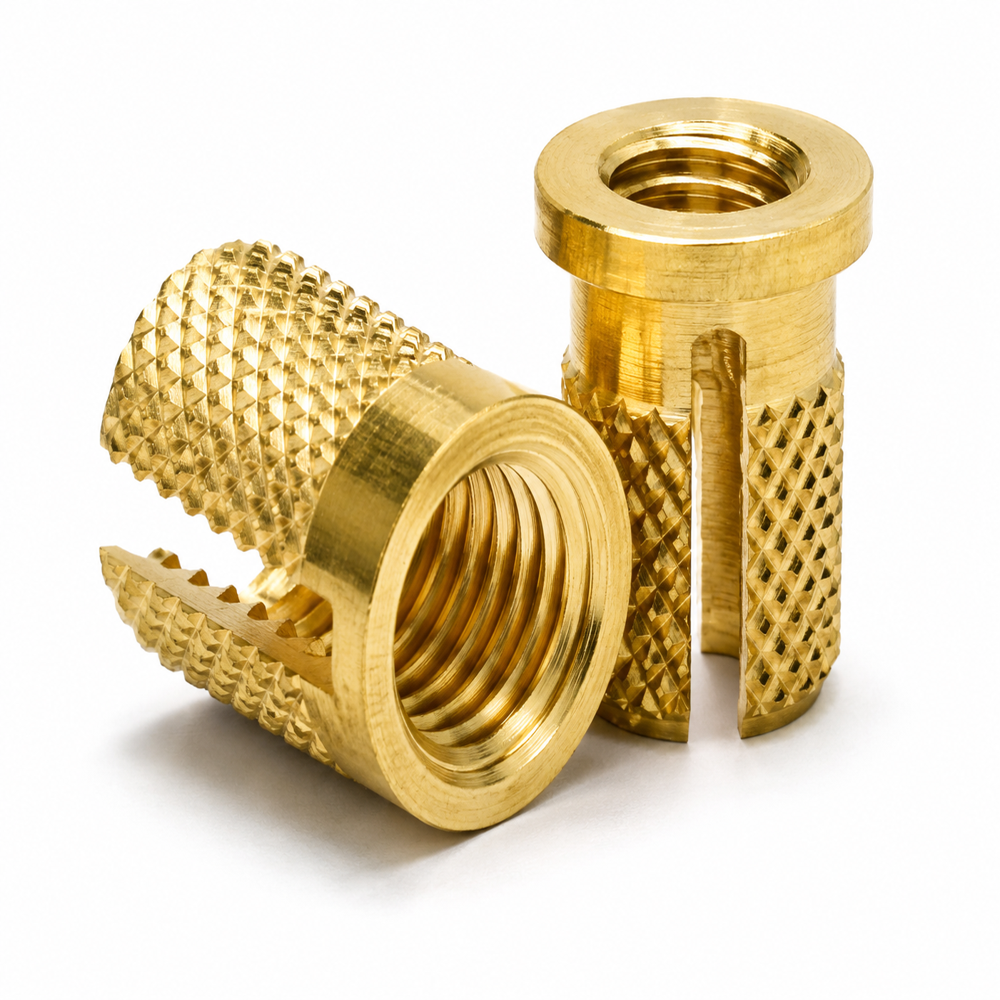
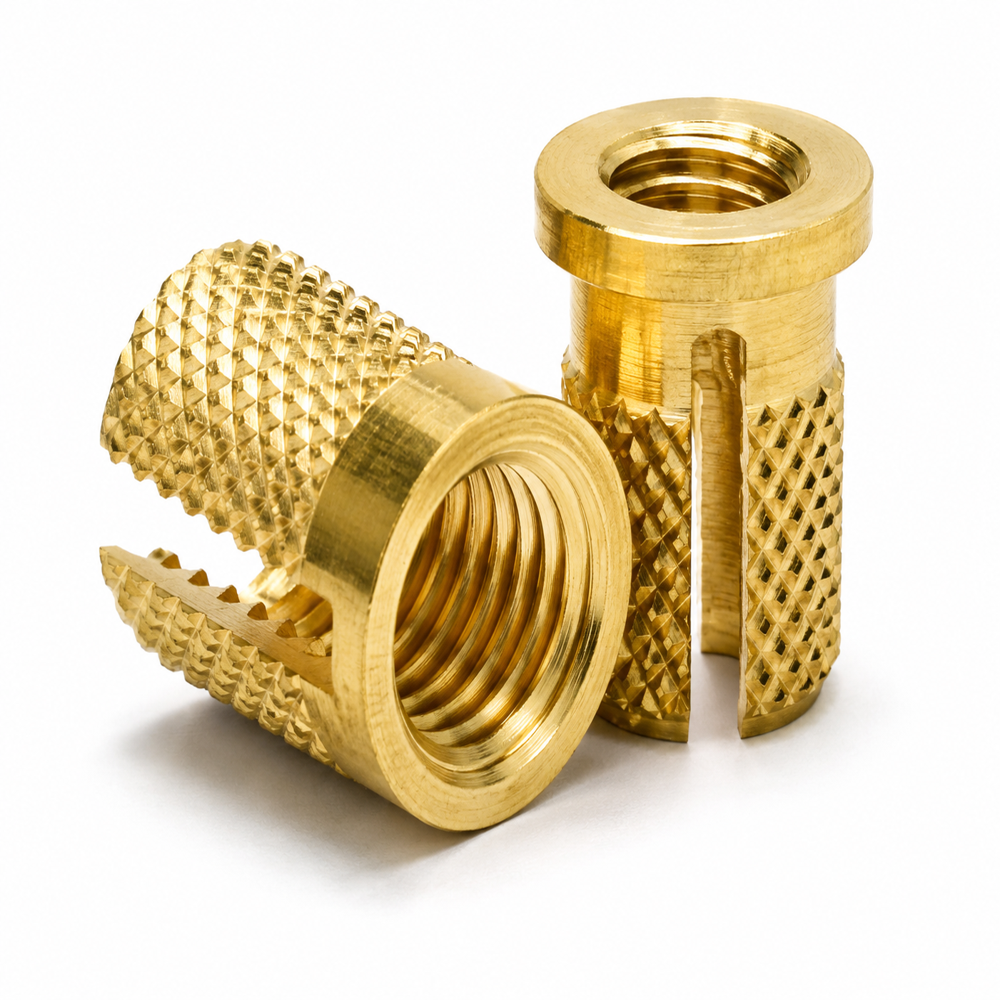
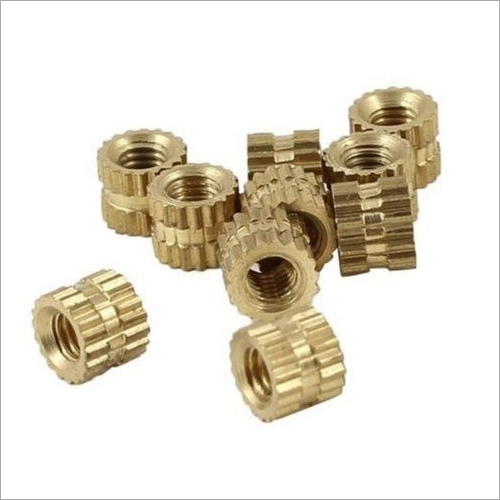
brass self tapping insert
Product Details:
- Size MULTI
- Product Type brass self tapping insert
- Material BRASS
- Type Brass Self Tapping Insert
- CNC Machining Yes
- Diameter M3 to M12 (custom sizes available)
- Tolerance 0.05 mm
- Click to View more
brass self tapping insert Price And Quantity
- 1000 Kilograms
- 1150.0 INR/Kilograms
brass self tapping insert Product Specifications
- Other
- Yes
- Other
- M3 to M12 (custom sizes available)
- MULTI
- 0.05 mm
- Brass Self Tapping Insert
- BRASS
- brass self tapping insert
- Natural/Gold Plated/Nickel Plated/Tin Plated
- Yes
- High Pull-Out Resistance, Durable, Precision Engineered
- Plastic, Wood, Light Metal Assembly
- Metric, BSP, UNC, or Customized
- -40C to 120C
- High-grade Brass
- Brinell 80-100 HB
- Press/Push fit, Ultrasonic or Molded-In
brass self tapping insert Trade Information
- Cash in Advance (CID)
- 5000 Kilograms Per Month
- 2 Week
- Sample costs shipping and taxes has to be paid by the buyer
- Middle East, Asia, Australia, Central America, North America, South America, Eastern Europe, Western Europe, Africa
- All India
Product Description
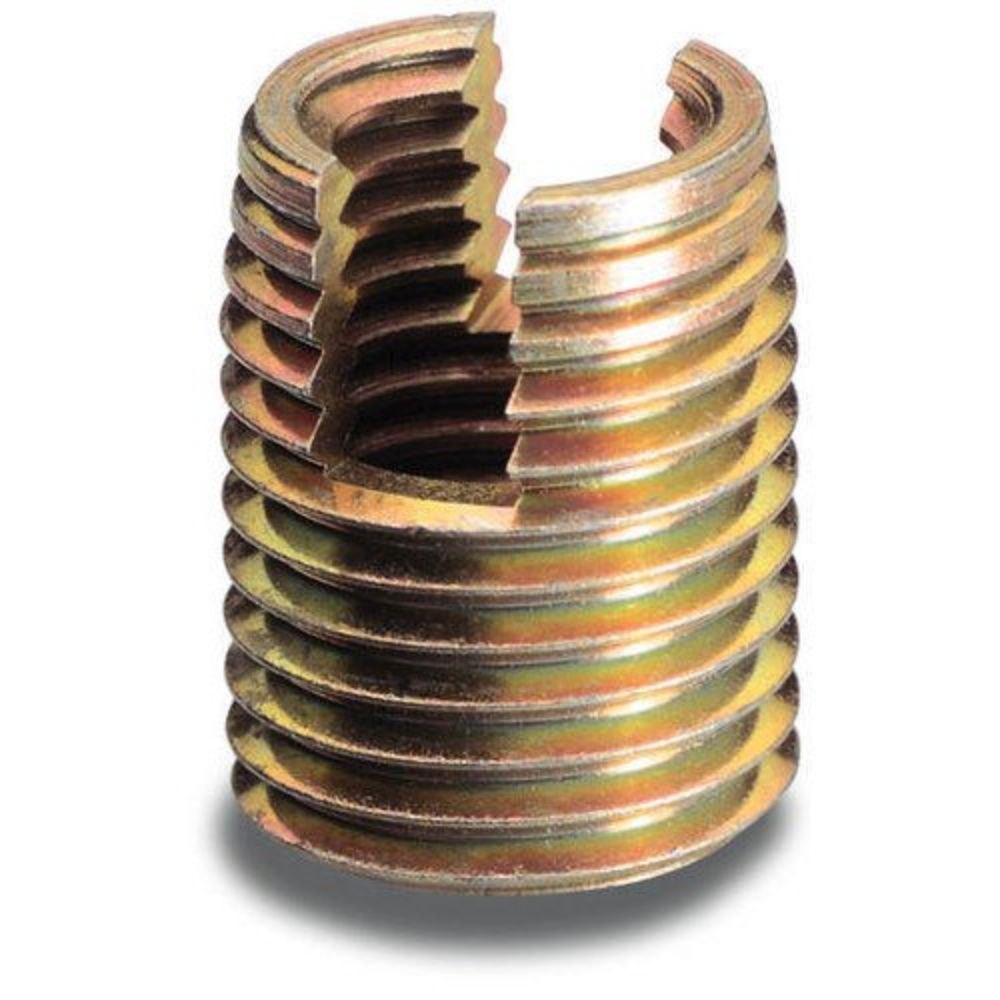
A brass self-tapping insert (also known as a thread-cutting or thread-forming insert) is a cylindrical metal fastener with internal and external threads. Unlike other inserts that require pre-molded threads or melting, these are designed to cut their own threads into a pre-drilled hole as they are being driven in. They provide the most robust thread reinforcement for soft metals, plastics, and hardwoods.
Self-Cutting Mechanism
The distinguishing feature of a self-tapping insert is the cutting slot or cutting bore at its leading edge.
-
Thread Cutting: As the insert is rotated into the material, the sharp edge of the slot acts like a tap, removing a small amount of material and carving a precise matching thread into the host part.
-
Self-Locking: The tight interference between the external threads and the freshly cut material creates a powerful self-locking effect, making the insert highly resistant to loosening caused by vibration or thermal cycling.
Key Engineering Features
-
Hardened Brass Alloy: Manufactured from high-tensile brass to ensure the cutting edges remain sharp enough to penetrate tough plastics or aluminum.
-
Dual-Function Threads: The external threads are designed for maximum surface area contact to prevent pull-out, while the internal threads are machined to standard metric or imperial tolerances (e.g., M3, M6, 1/4-20) for the final bolt.
-
Slotted vs. Hole Type: Slotted inserts are standard for most materials, while "hole-type" inserts are preferred for harder materials as they provide better chip clearance during the tapping process.
Primary Applications
-
Soft Metals: Providing high-strength threads in aluminum, magnesium, and zinc alloys used in automotive or aerospace components.
-
Reinforced Plastics: Ideal for thermosetting plastics or glass-fiber reinforced resins that are too brittle for heat-set or press-fit methods.
-
Heavy Machinery: Repairing stripped threads in engine blocks or industrial housings.
-
Furniture Manufacturing: Creating permanent, wear-resistant threads in hardwoods or high-density fiberboards for high-end cabinetry.
Strategic Advantages
Self-tapping inserts eliminate the need for a separate tapping operation, reducing production time and labor costs. They offer significantly higher pull-out strength than any other post-molding insert because they integrate deeply into the parent material. For industrial environments, they are typically installed using a specialized "bolt and nut" tool or an automated tapping machine to ensure perfect perpendicular alignment.
Precision Designed for Versatile Applications
These brass self tapping inserts are meticulously engineered to provide exceptional pull-out resistance and hassle-free installation into plastics, woods, and lightweight metals. Their precision tolerances and customizable thread types ensure compatibility, enhancing assembly reliability across industries such as automotive, electrical, and furniture.
Robust Protection Against Corrosion and Wear
Featuring a Brinell hardness rating of 80-100 HB and capable of withstanding temperatures from -40C to 120C, these inserts are enhanced with optional protective platings. This makes them ideal for harsh environments, helping to prevent corrosion and extend service life in demanding applications.
FAQ's of brass self tapping insert:
Q: How are brass self tapping inserts installed in different materials?
A: Brass self tapping inserts can be installed using press or push fit techniques, ultrasonic insertion, or molded-in processes, depending on the base material such as plastic, wood, or light metal. Each installation method ensures a secure and reliable fit.Q: What thread types are available for these inserts?
A: Our inserts can be manufactured with Metric, BSP, UNC, or fully customized thread types to meet specific user requirements, enabling compatibility with international standards and unique project needs.Q: When should I choose a gold plated or nickel plated finish?
A: Gold plated finishes are ideal for assemblies requiring high conductivity or decorative appeal, while nickel plated finishes offer enhanced corrosion resistance. Choose the finish based on your application's environmental needs and aesthetic preferences.Q: Where are these brass self tapping inserts typically used?
A: These inserts are widely employed in industries such as electronics, automotive, and furniture, wherever robust, reusable threads are needed in plastic, wood, or light metal assemblies.Q: What is the benefit of high pull-out resistance in inserts?
A: High pull-out resistance ensures that the insert remains firmly seated under mechanical loads or frequent unscrewing, significantly improving the reliability and longevity of your assembly.Q: How does CNC machining enhance insert quality?
A: CNC machining allows for precise manufacturing of each insert, achieving tight tolerances of up to 0.05 mm for a consistent, secure fit and reliable performance across all production batches.
Price:
- 50
- 100
- 200
- 250
- 500
- 1000+

Other Products in 'Brass Inserts/Nurrling Insert ' category




Contact Details
GST : 24ADNPD2847G1ZO
 Send Inquiry
 |
Narayan Components
All Rights Reserved.(Terms of Use) Developed and Managed by Infocom Network Private Limited. |
