 English
 Spanish
 French
 German
 Italian
 Chinese (Simplified)
 Japanese
 Korean
 Arabic
 Portuguese


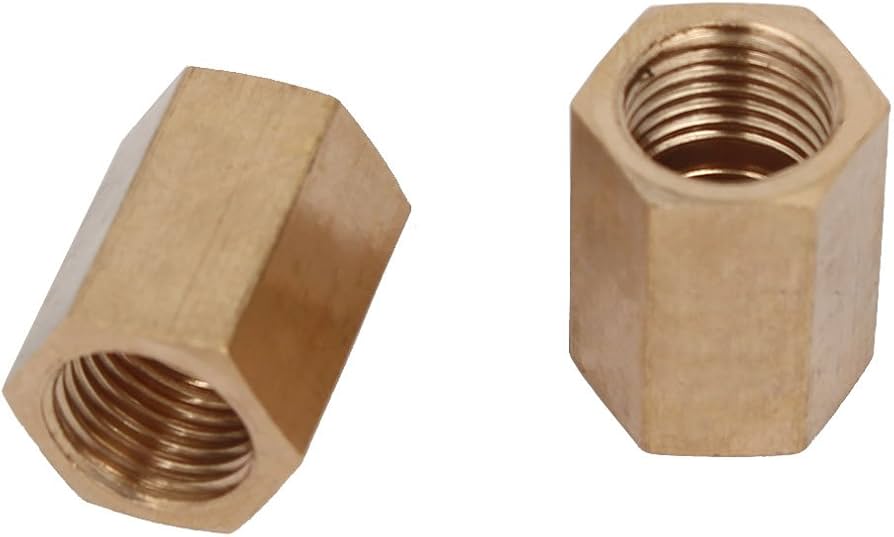
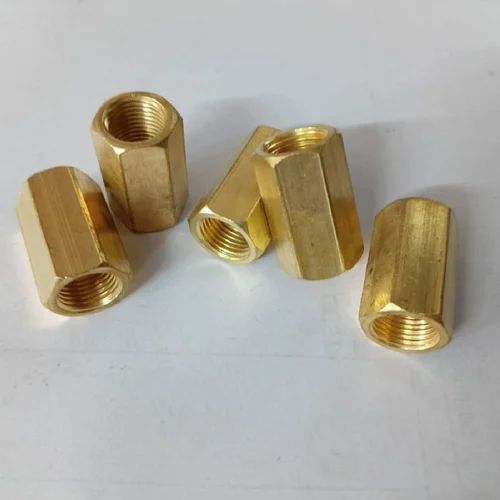
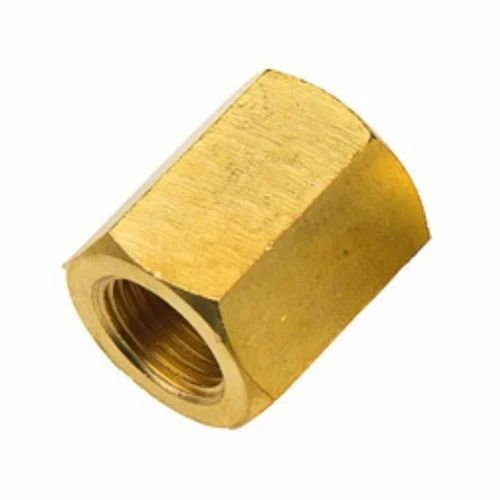
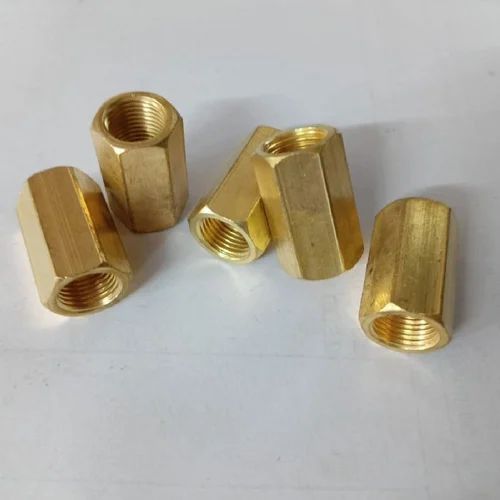
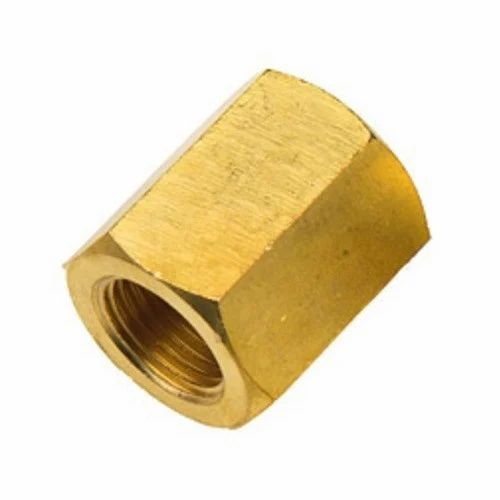
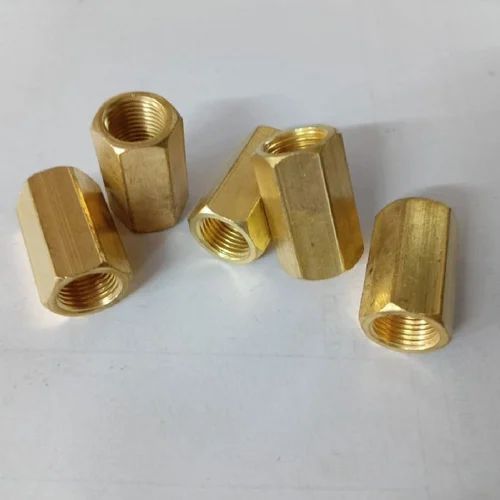
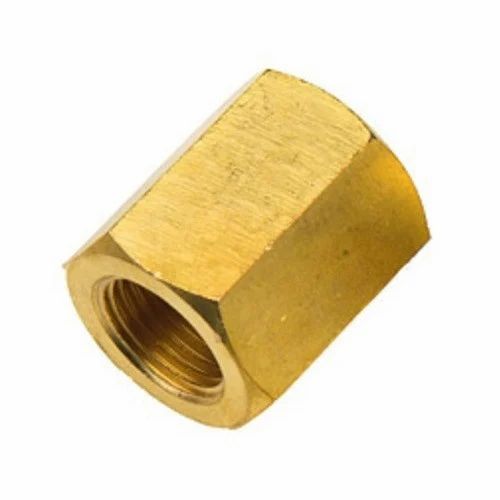
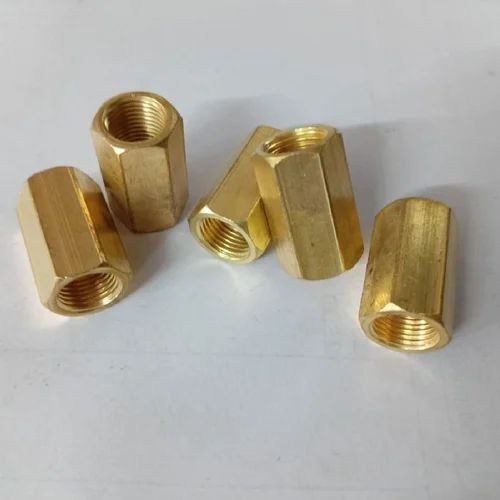
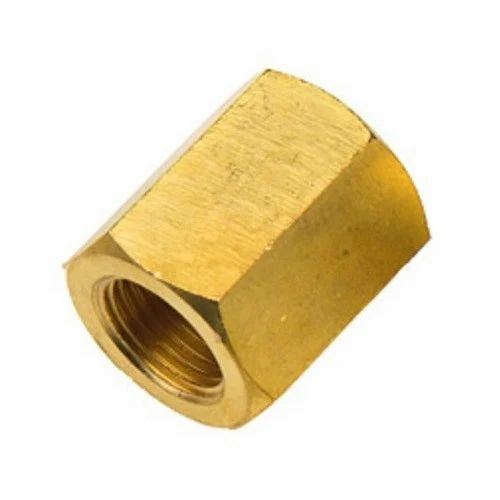
BRASS COUPLING NUTS
Product Details:
- Size MULTI
- Product Type BRASS COUPLING NUTS
- Material BRASS
- Shape Hexagonal
- Length 25-100 mm (customizable)
- Thickness Standard/As required
- Surface Treatment Nickel Plated / Natural / Chrome Plated
- Click to View more
BRASS COUPLING NUTS Price And Quantity
- 1196.0 INR/Kilograms
- 1000 Kilograms
BRASS COUPLING NUTS Product Specifications
- 25-100 mm (customizable)
- Hex
- Standard/As required
- MULTI
- Annealed / As required
- BRASS
- Yes
- BRASS COUPLING NUTS
- Nickel Plated / Natural / Chrome Plated
- Varies by size (approx. 0.01-0.12 kg)
- Hexagonal
- DIN 6334 / DIN EN ISO / IS / JIS
- Up to 200C
- Up to 500 MPa
- Pipe Fittings, Electrical, Plumbing, Mechanical, Industrial Fastening
- Precision Machined / CNC Turned
- 0.05 mm
- Manual / Automated
- Polished / Electroplated / Uncoated
- Metric / BSP / BSPT / NPT / UNF / UNC
BRASS COUPLING NUTS Trade Information
- Cash in Advance (CID)
- 5000 Kilograms Per Month
- 2 Week
- Sample costs shipping and taxes has to be paid by the buyer
- Asia, Australia, Central America, North America, South America, Eastern Europe, Western Europe, Middle East, Africa
- All India
Product Description
Brass Coupling Nuts
A Brass Coupling Nut, also known as an extension nut, is an elongated hexagonal fastener designed to join two threaded rods or male-threaded components together. Unlike standard nuts which secure a single bolt, the coupling nut acts as a bridge, extending the length of a threaded assembly or connecting different threaded sections.
Engineering and Mechanical Role
The defining characteristic of the coupling nut is its significantly increased height, which is typically 3 to 4 times the diameter of the thread.
-
Internal Threading: The nut is threaded through its entire length, allowing two separate bolts or rods to meet in the middle.
-
Visual Inspection: Some coupling nuts feature "sight holes" or "witness holes" in the center to allow a technician to verify that both threaded rods have reached the required depth for a secure connection.
-
Force Distribution: The long internal thread engagement provides immense stripping resistance, making it suitable for applications involving high tension or heavy loads.
Why Specify Brass for Coupling Nuts?
In industrial catalogs and B2B listings, Brass Coupling Nuts are highlighted for their performance in specialized environments:
-
Corrosion Resistance: Because these nuts are often used in structural or outdoor plumbing assemblies, brass is essential to prevent "rust-locking." Even after years of exposure to moisture, the brass threads allow for easy adjustment of the connected rods.
-
Thermal Stability: Brass handles temperature fluctuations without becoming brittle, which is critical for extension nuts used in HVAC systems and heating manifolds.
-
Anti-Galling: When joining long threaded rods (which can often be made of stainless steel), a brass coupling nut prevents the "cold welding" effect, ensuring the rods can be disconnected during future maintenance.
-
Aesthetic Integration: In architectural lighting or glass-partition mounting, the polished brass finish provides a decorative, high-end look that standard zinc-plated hardware lacks.
Common Industrial Applications
-
HVAC & Plumbing: Used to extend threaded rods for hanging pipes, ducts, and air conditioning units from ceilings.
-
Electrical & Lighting: Acting as a connector for threaded tubes in chandeliers, lamps, and conduit systems.
-
Machinery & Tooling: Used to create custom-length tie rods or as spacers between components in industrial jigs.
-
Water Treatment: Ideal for submerged or high-humidity environments where steel fasteners would fail due to oxidation.
Versatile Thread Compatibility
Our brass coupling nuts are available with Metric, BSP, BSPT, NPT, UNF, and UNC threads, making them suitable for use in a broad spectrum of global applications. This versatility allows them to seamlessly fit into both domestic and international systems without the need for thread adapters.
Robust Performance and Customization
Engineered to handle operating temperatures up to 200C and tensile strength up to 500 MPa, these nuts are built for demanding environments. Available in customizable lengths (25-100 mm), sizes (M3-M24), and finishes, they fulfill specific requirements for strength, durability, and aesthetics in diverse industries.
Precision Manufacturing and Reliable Quality
Manufactured using CNC machining and precision turning, our coupling nuts guarantee a tight tolerance of 0.05 mm, ensuring secure and accurate fitting. Rigorous standards and heat treatment, along with optional corrosion-protective surface treatments, provide long-lasting performance in challenging conditions.
FAQ's of BRASS COUPLING NUTS:
Q: How are brass coupling nuts typically used?
A: Brass coupling nuts are primarily used to join two threaded rods or pipes together, extending their length in piping, fastening, plumbing, electrical, and mechanical installations. Their corrosion resistance and high strength make them ideal for both indoor and outdoor applications.Q: What materials and finishes are available for these coupling nuts?
A: These nuts are made from high-quality brass and offered with various finishes such as polished, nickel-plated, chrome-plated, or natural. The surface treatment enhances both durability and resistance to corrosion, catering to different environmental and aesthetic requirements.Q: When should a metric thread be chosen over other types like BSP or NPT?
A: Choose a metric thread when working in regions or systems that follow the metric standard, such as most of Europe and Asia. BSP, BSPT, and NPT threads are typically used in piping systems for fluid or gas transport; the right choice depends on your regional and application-specific requirements.Q: Where are these brass coupling nuts commonly installed?
A: Brass coupling nuts are used in a range of settings including pipe fittings, industrial machinery, electrical panels, plumbing fixtures, and mechanical assemblies. Their resistance to corrosion makes them particularly valuable in environments exposed to moisture or chemicals.Q: What is the manufacturing process for these coupling nuts?
A: These coupling nuts are manufactured through precision machining or CNC turning, ensuring tight tolerances and high-quality threads. Additional heat treatment and surface finishes optimize their performance and longevity based on application needs.Q: How does the corrosion protection benefit long-term usage?
A: The combination of brass material and surface treatments like nickel or chrome plating ensures strong resistance to rust and corrosion, which prolongs the lifespan of the nut and maintains reliable performance in harsh conditions.Q: What are the benefits of customizable size and thickness options?
A: Customizable size (M3-M24), length (25-100 mm), and thickness options allow end-users to select coupling nuts tailored to their specific project requirements, ensuring optimal fit, load distribution, and fastening security for specialized applications.
Price:
- 50
- 100
- 200
- 250
- 500
- 1000+

Other Products in 'Brass Fasteners' category



Contact Details
GST : 24ADNPD2847G1ZO
 Send Inquiry
 |
Narayan Components
All Rights Reserved.(Terms of Use) Developed and Managed by Infocom Network Private Limited. |
